New information on the policy framework 2019 of Ukraine
The Ministry of Social Policy of Ukraine informs on the policy framework 2019 and gives a good practise on Social protection of families with children. Read more in the Country fact sheet.

The Ministry of Social Policy of Ukraine informs on the policy framework 2019 and gives a good practise on Social protection of families with children. Read more in the Country fact sheet.
The Ministry of Labour and Social Affairs of the Republic of Armenia and the European Centre hosted an online policy review “Monitoring and Evaluation (M&E) for Social Protection Programmes”, on 12-13 December 2022.
According to Ukrainian legislation social services are provided from municipal social protection departments for free to old lonely people without any mental health problems. Old people suffering from mental health problems must be cared for from special agencies. Unfortunately, these agencies do not exist, yet.
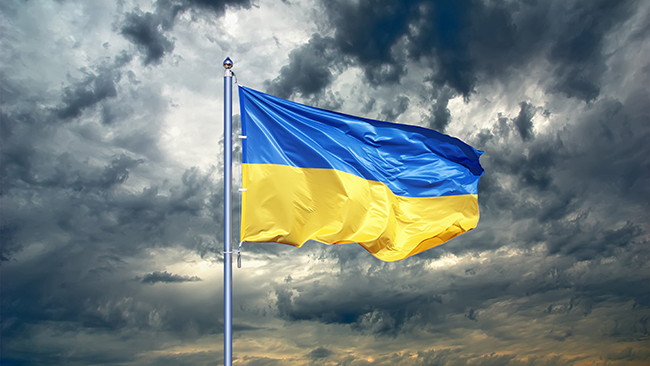
Mutual exchange and dialogue – including those with Russian colleagues as in our recent BBinar.

On 15 and 16 December 2021, our colleagues, Kai Leichsenring, Magdi Birtha, and Veronica Sandu provided a training on Ageing and long-term care, as part of the Bridge Building Peer Reviews and Trainings project. The training was attended by almost 20 participants, including government officials from the Ministry of Social Policy of Ukraine, as well…
The Feasibility Study will provide a comprehensive analysis of the current child protection policies in Albania, Armenia, Belarus, North Macedonia and Ukraine and will evaluate to what extent a new SOS Children’s Villages Worldwide regional programme will contribute to the fulfilment of human rights of children in the Western Balkans and Eastern Europe.
The European Centre organised the first ‘Bridge Building in Social Welfare Policy’ Workshop with the European Centre’s National Liaison Officials (NLOs) in Vienna, on 19-20 April 2018. NLOs and representatives from the Western Balkans and Eastern Partnership countries, Board Members, and officials from the Austrian Federal Ministry of Labour, Social Affairs, Health and Consumer Protection,…